

Carrier Liner: materials and constructions
Different material choices for different purposes and bedrock.
The basis of the system
The vinyl liner (Carrier Liner) forms the basis of the system. The liner material is available in different designs and material thicknesses. Where there is a risk of damage from fractured rock or sharp flint in limestone, we can make the liner in extra heavy-duty vinyl.
Choice of material
The liners are normally made of vinyl with 400 denier (400D) thread. A 400 denier thread is relatively thick and robust. Materials woven with this thread thickness (for example heavy nylon or polyester) become very resistant to tears, abrasion and punctures.
Even though denier in itself measures thickness and not water tightness, 400D fabrics are coated with polyurethane (PU). This makes them waterproof. The higher the denier number, the heavier and more durable the material, and 840D material can be used in boreholes where there is a high risk of sharp edges, for example through flint layers in a limestone.
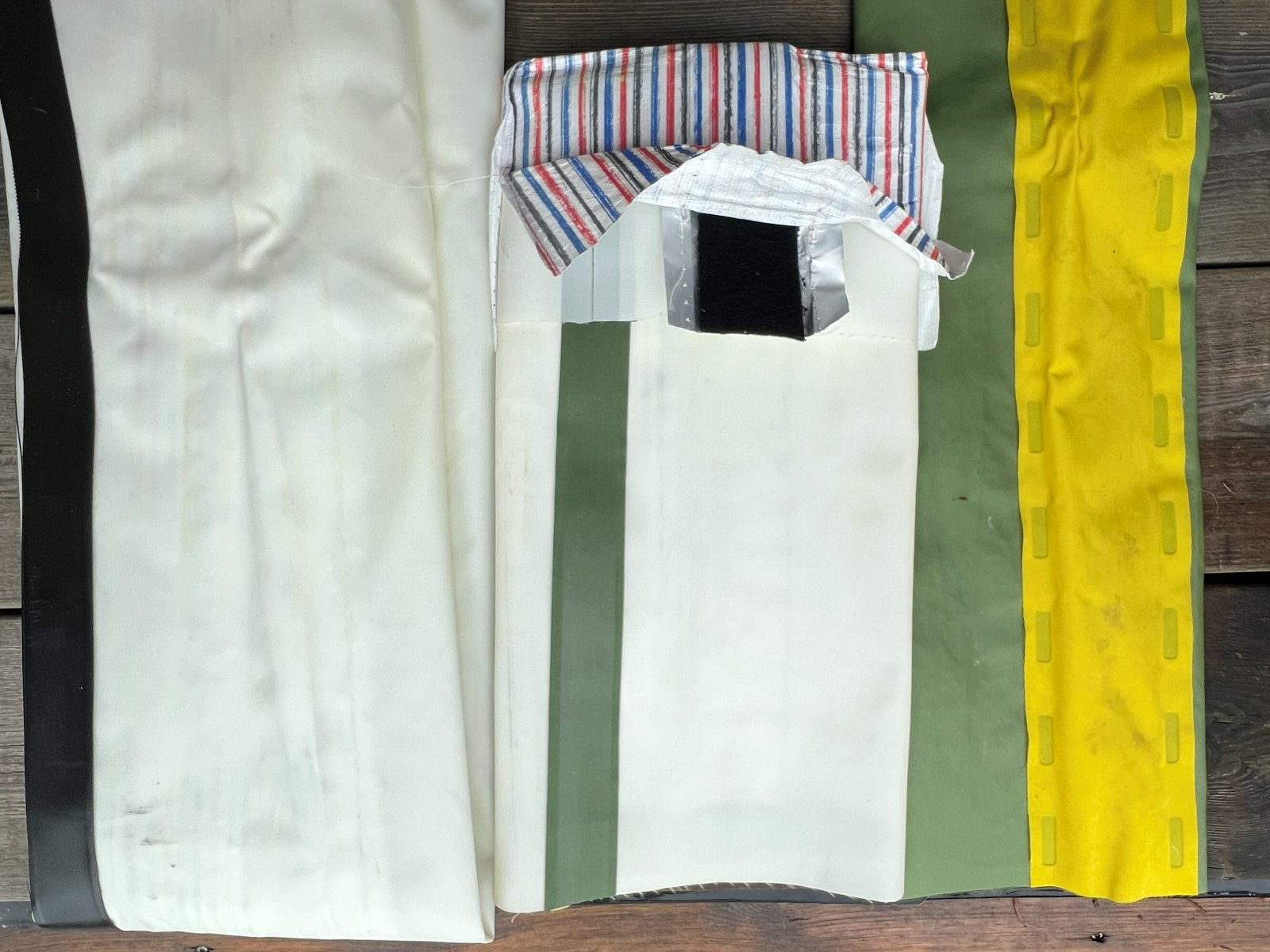
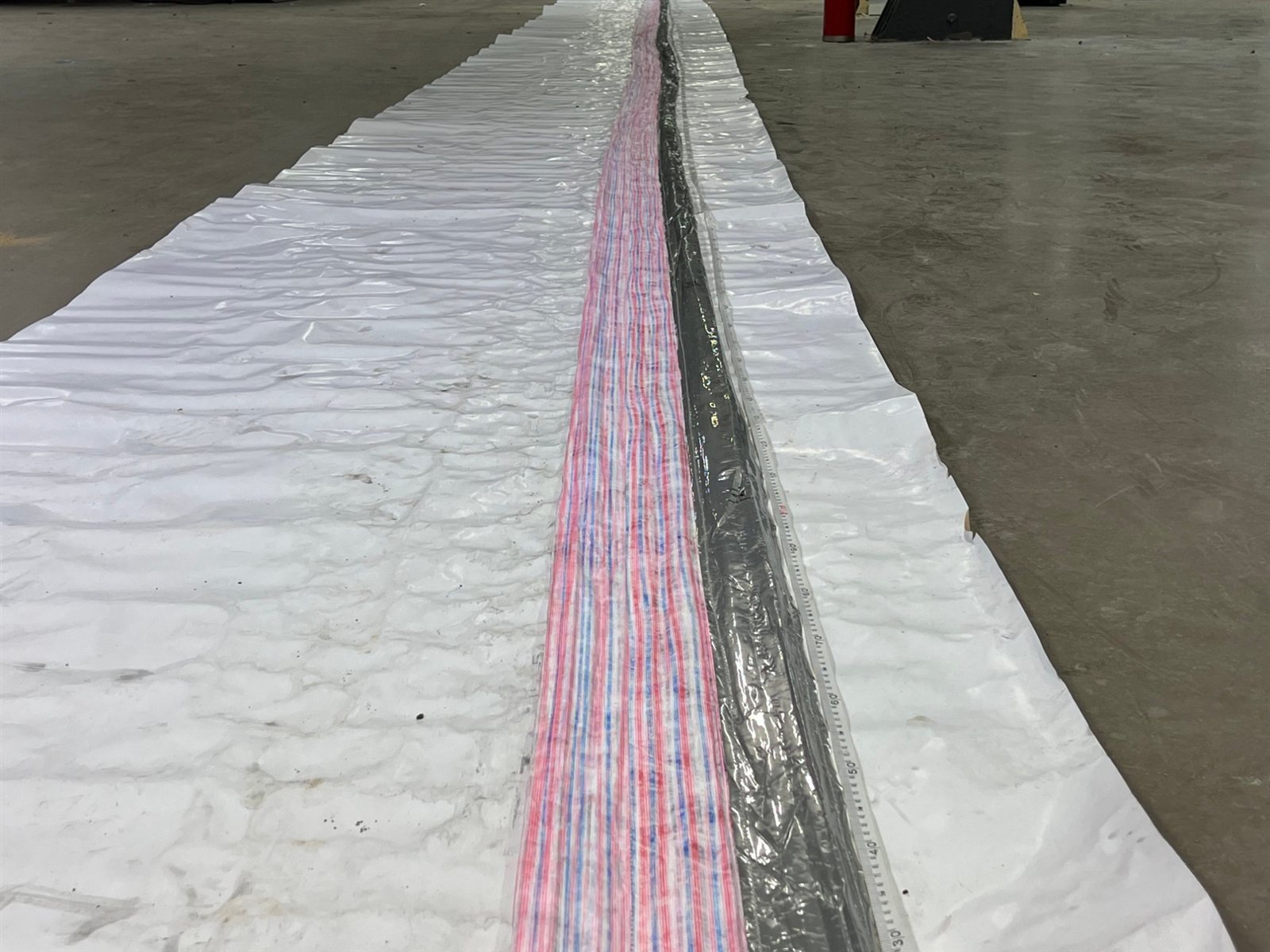
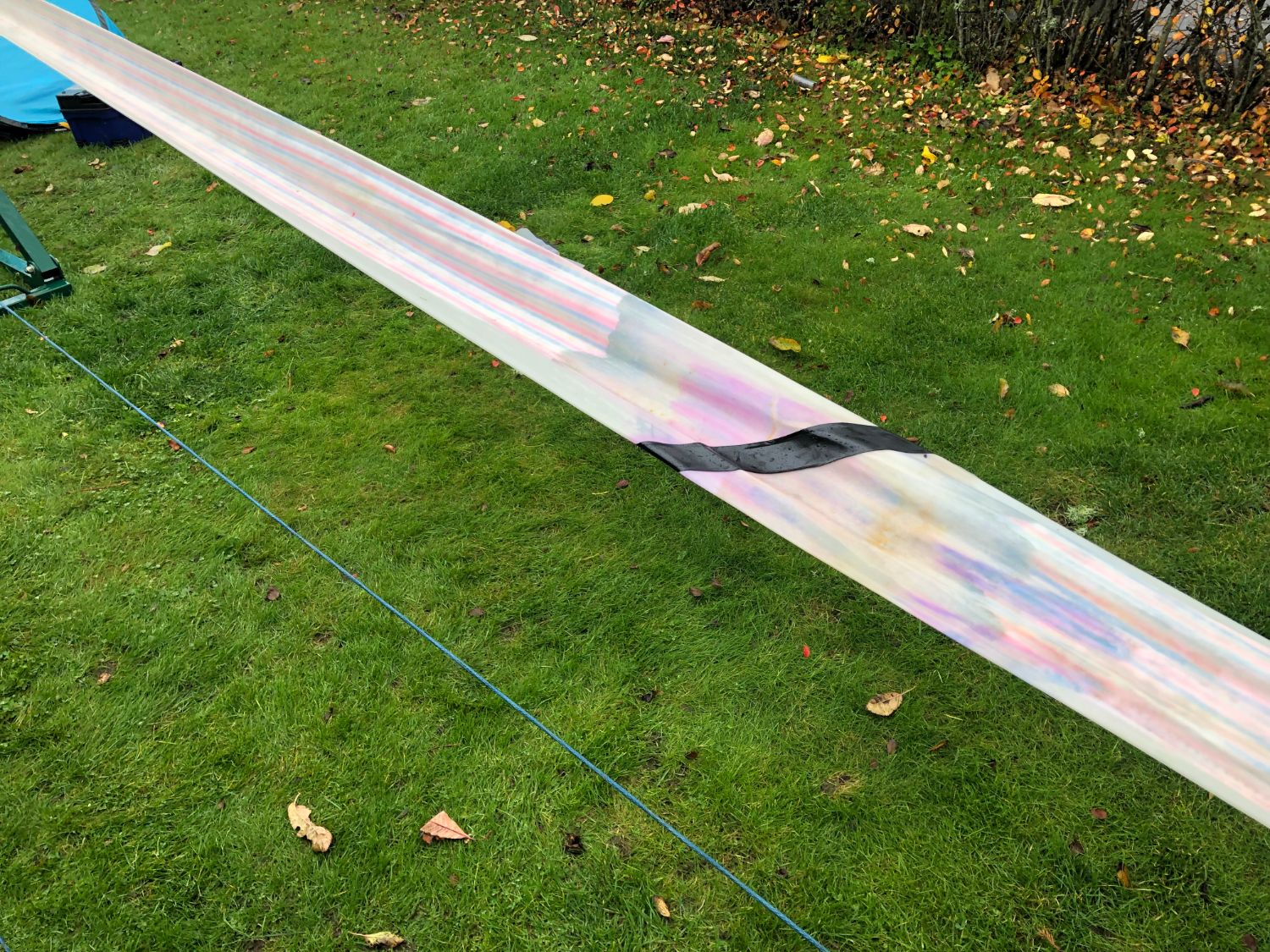
The most common liners are made in white, black, green or yellow material. It is, however, possible to make them in transparent material. The advantage of this material is that it is possible to see directly when the liner comes out of the borehole whether it is contaminated with free phase (provided a NAPL FLUTe Liner has also been used).

Constructions
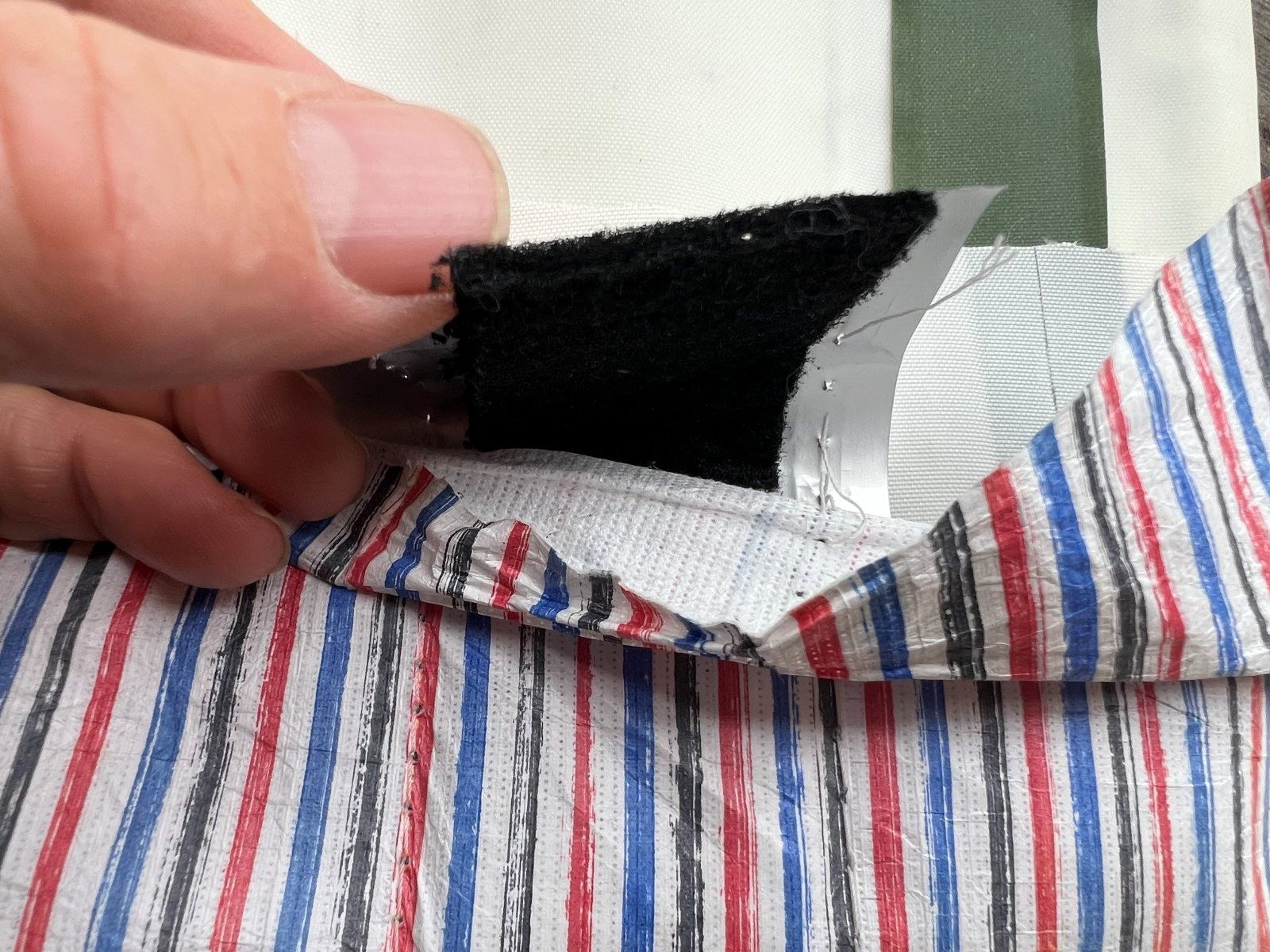
We have delivered and installed liners between 25 mm and 250 mm in diameter. Borehole diameter, length and choice of material (with or without NAPL FLUTe and FACT) are discussed in connection with the order, where we go through the project needs with you.
Materials and constructions
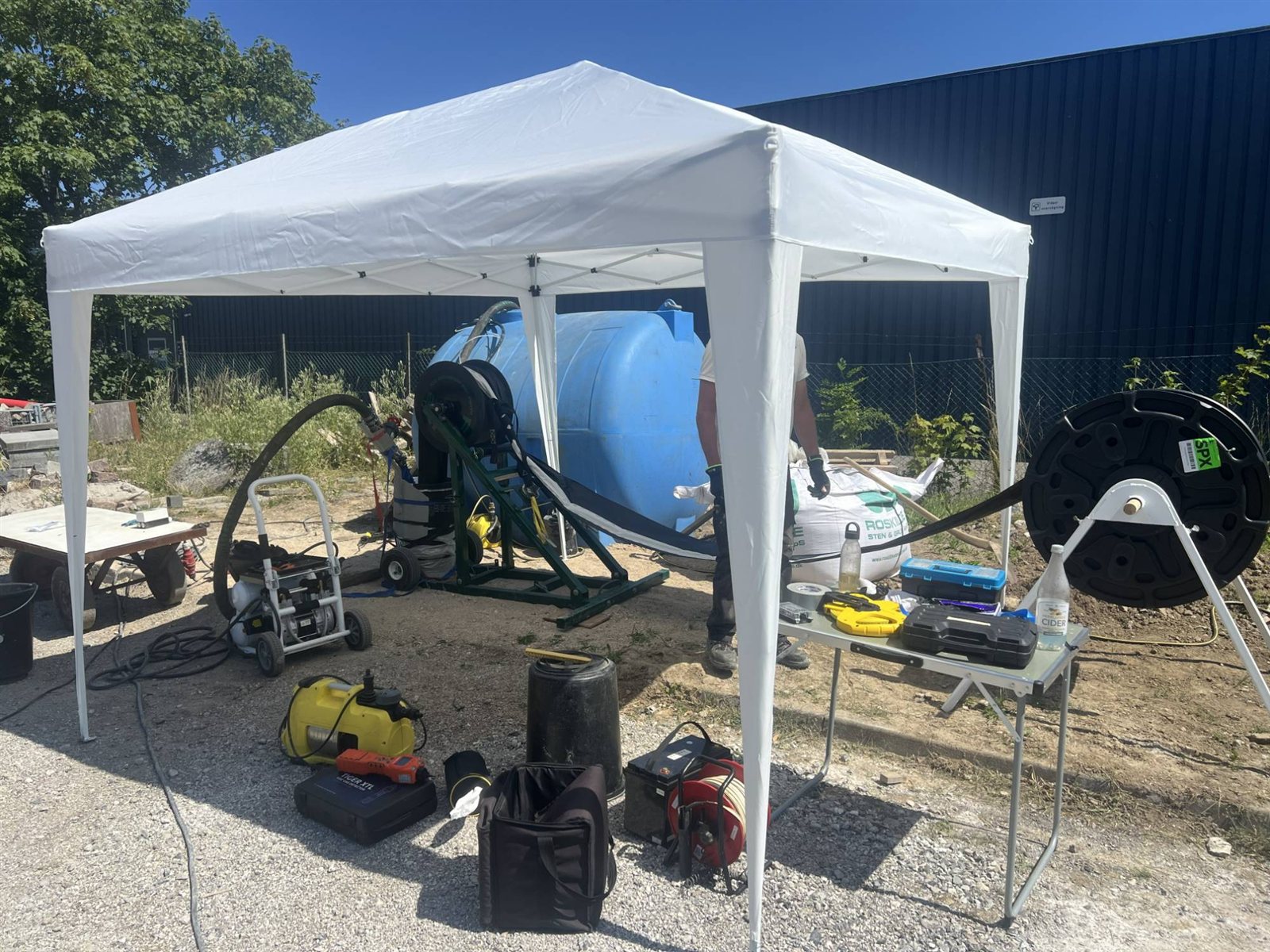
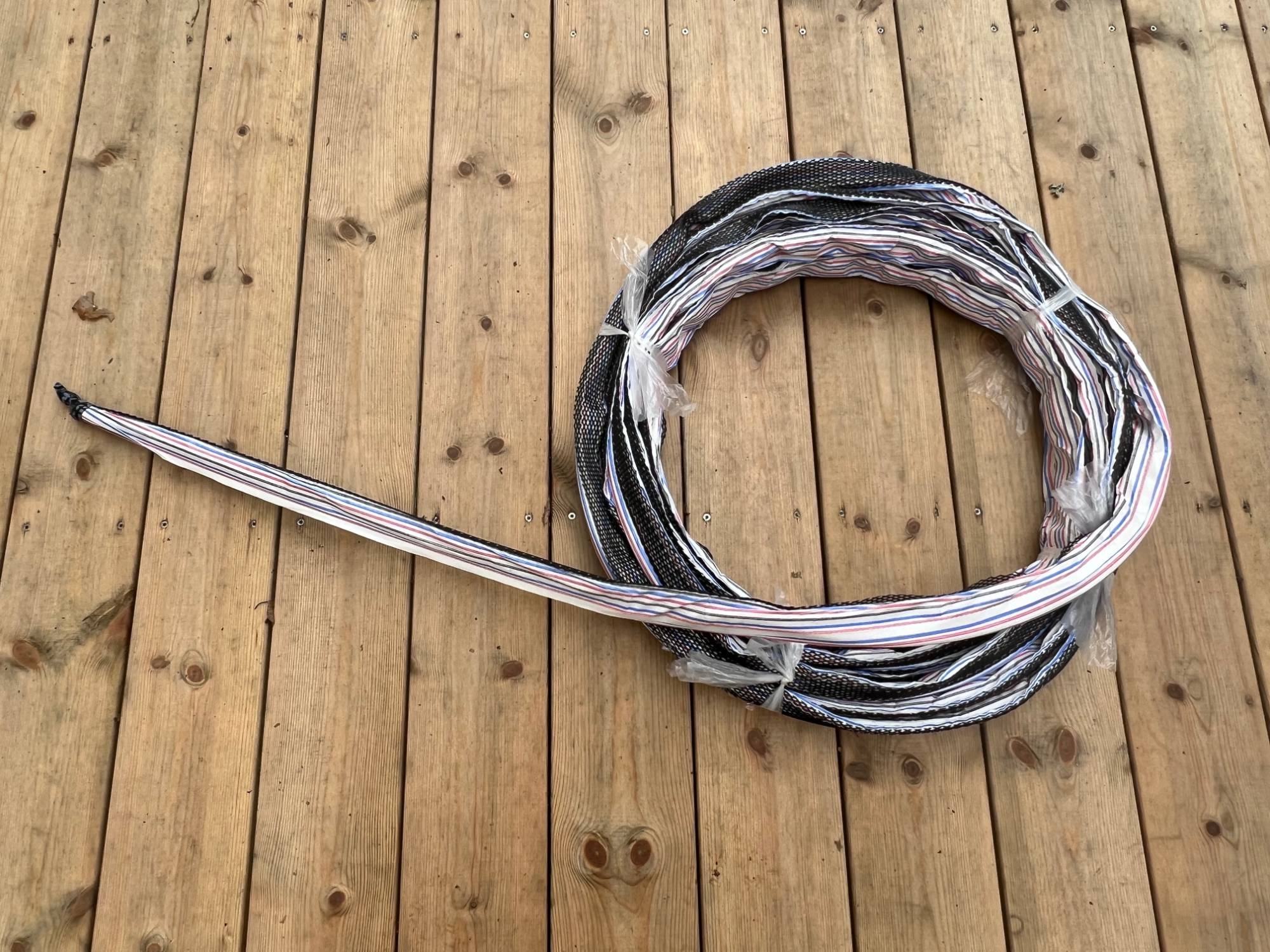
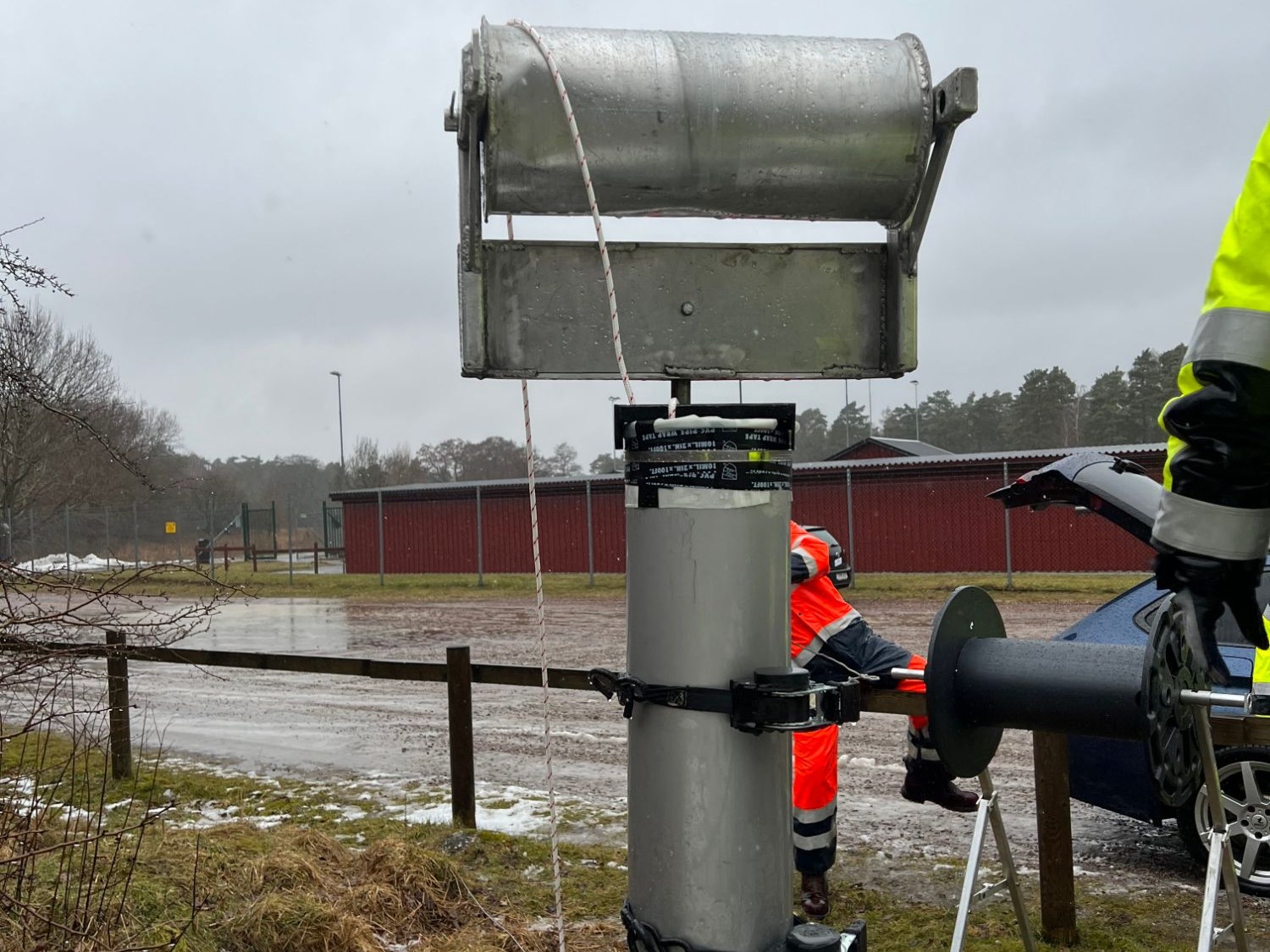
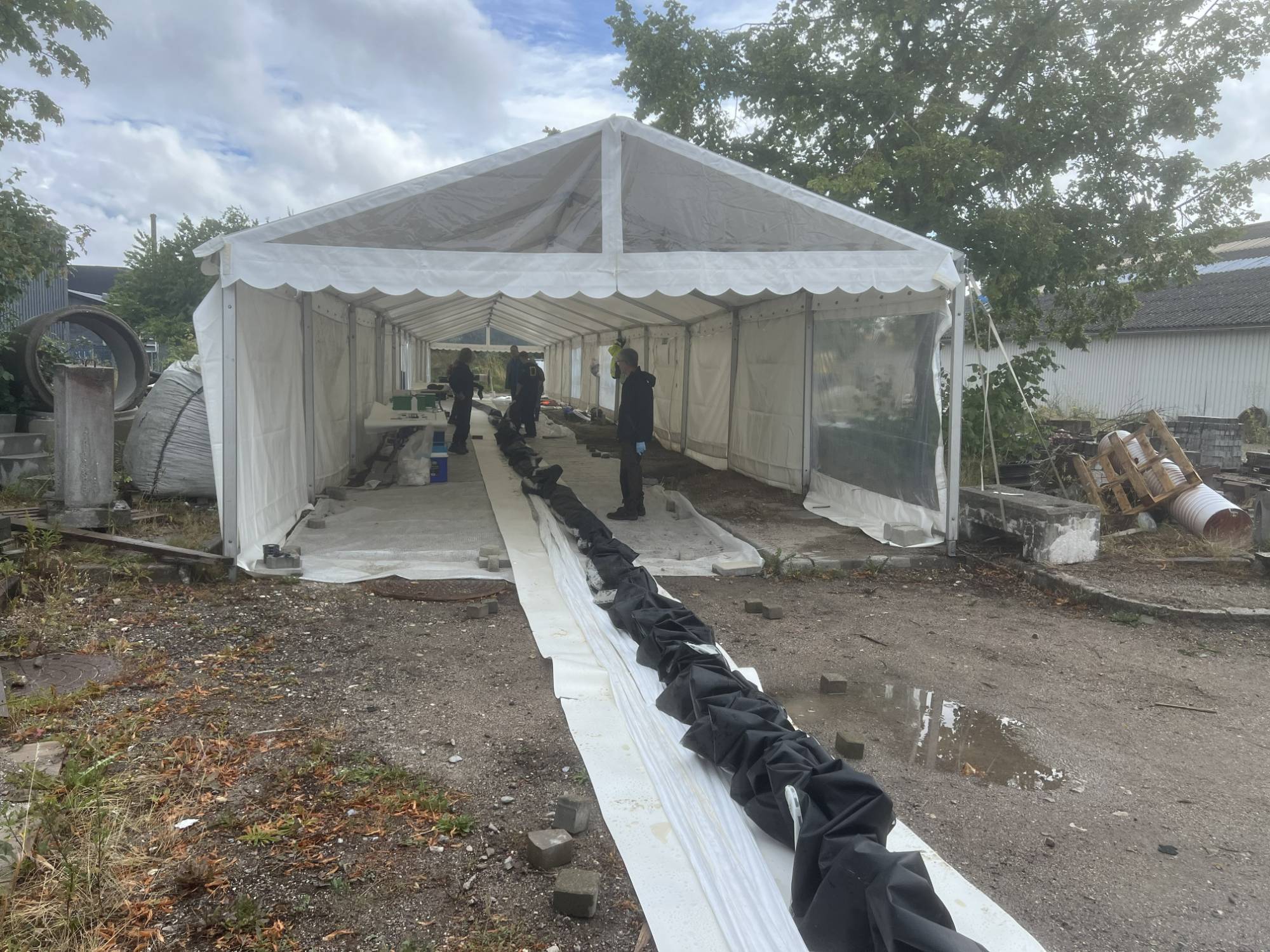
A FACT liner is retrieved from a 250 mm liner of 840 denier fabric. After removing the NAPL FLUTe liner with a FACT strip, the Carrier Liner is returned to the borehole and reinstalled as quickly as possible to avoid any spread of contamination between the different depths of the borehole.
Planning a bedrock investigation?
Contact us for a discussion about how FLUTe Liners can give you a more reliable result.
patrik@rosmarusenviro.com